Gift items related to food and cooking are always popular. Gift ideas include local foods, baked goods, crafts, collectibles, cookware, clothing, printed materials, and other items
An endless array of products are available and new items are always showing up in stores and online. Other sources of food themed gifts might include farm stands, local farmers markets, wineries, ice cream shops, bakeries, specialty food stores, or other small businesses.
Kitchen decor items often feature food-related artwork. Among the most popular styles are designs that incorporate food icons. Items often depict fruits and vegetables, nuts, herbs, spices, fish, shellfish, meats, diary, and other food items.
This tomato themed soup mug makes a colorful kitchen accent.
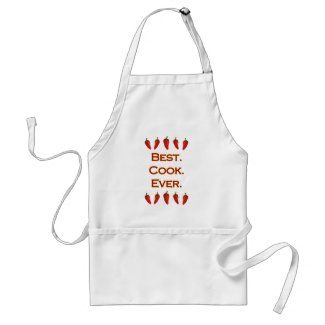
Some items combine icons with popular slogans or other text. A possible gift idea for home cooks is this "Best. Cook. Ever." apron.
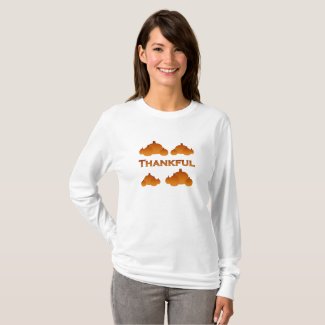
Products are often designed for a specific season of the year. This "Thankful" shirt includes pumpkins artwork. Pumpkins are often used to symbolize the Autumn season, Thanksgiving, crop harvests, and other end of year activities.
Steamers are another culinary accessory that might be suitable as a gift. Steamers for cooking seafood and vegetables are available in a wide range of sizes and styles. For more information, see this article on types of steamers.
Fish and seafood lovers might enjoy fish identification posters. Many fish identification posters serve as wall art in addition to their practical purposes.
Showing posts with label cooking. Show all posts
Showing posts with label cooking. Show all posts
Saturday, July 29, 2017


Monday, September 5, 2016
West Virginia Nature Wonder Weekend 2016
 |
| winter cress |
The 49th annual Nature Wonder Weekend, North America's premier and longest-running wild foods event, will be held Sept. 16–18, 2016, at North Bend State Park in West Virginia.
Featured speakers include wild foods cooking author Leda Meredith and hearth cook and food historians Martha and Richard Hartley.
"This year's program will highlight foraging as well as wild food preparation and preservation, past and present," said Deputy Director Emily Fleming of the West Virginia Division of Natural Resources.
Nature Wonder Weekend begins Friday evening and concludes mid-morning on Sunday. The event includes speakers, presentations, nature walks, and collection and preparation of wild foods.
Activities include a park tour, wild food identification instruction, the Hazel Wood National Wild Food Cooking Contest and the Bill Faust Wild Cake Contest. The Wild Drink Contest winner is awarded the honorary Maxine Scarbro Friendship Cup.
The weekend offers overnight packages as well as day-only attendance options. For more information, visit www.northbendsp.com.
source: West Virginia Division of Natural Resources
Wednesday, November 23, 2011
How to Prepare Pickled Beets

Known for their color, flavor, and nutritional value, they are a favorite dish at mealtime. After pickling, they can be served cold with no special preparation, making them an extremely versatile meal choice.
Beets are one of the few garden vegetables that are easy to store. They can be refrigerated or stored in a cool root cellar prior to use. Beets can be cooked fresh, blanched and frozen, or pickled and canned for long term storage.
The pickling process includes cooking, peeling and chopping fresh beets, and immersing them in a mixture of vinegar, sugar, and spices. Pickled beets can be served fresh or canned for later use.
Pickled beet recipes vary by local tradition, availability of ingredients, and personal preference. Simple beet pickling mixes consist of vinegar and sugar. To enhance the flavor of beets, cooks often include one or several spices or other flavorings.
To pickle beets, they must first be cooked. Start by washing fresh beets thoroughly and boiling them until they soften. Cooking times vary, depending on the size and condition of beets as well as the amount of crispness that is desired. Beets of similar sizes should be cooked together whenever possible, otherwise the firmness of cooked beets will be inconsistent.
After cooking, the beets should be peeled and rinsed. At this point, beets should be sliced, quartered, or left whole if small. The next step is to combine and simmer the pickling mixture. Most recipes call for about 1 cup vinegar and 1/2 cup sugar per pint of beets. Add the cooked beets to the pickle and continue simmering for 5-10 minutes. If the beets are to be served fresh or frozen for later use, at this point they need only be drained and chilled.
If pickled beets are to be canned, canning jars, lids and canning equipment may be required. Most home canning setups include specific instructions for canning vegetables. Home canning information is also available from a wide range of cookbooks, government agencies, and other sources.
Pickled beets are usually served chilled. Their brilliant deep purple color and tangy-sweet flavor goes well with poultry, lean pork, fish or other meats. Pickled beets are also delicious in summer salads or as a garnish.
Wednesday, November 10, 2010
How to Cook Turnip Greens

Turnip greens are leafy green vegetables that are often served during traditional holiday meals in North America. These healthy greens are harvested from turnip plants. Not only are the leaves edible, but so are the roots.
In most areas, turnip green leaves are only harvested during the late Fall, Winter and in Spring when their flavor is not too strong.
Turnip green recipe ingredients may include salt pork, bacon, pepper, herbs, cooking oils, wines, baking powder, or other foods.
Cooking methods generally include boiling the leaves for long periods. Turnip greens can also be simmered with a small amount of liquid, steamed, or added to soups.
Subscribe to:
Posts (Atom)