Showing posts with label seafood. Show all posts

Thursday, March 4, 2021

KSU Aquaponics Production Manual

lettuce

The School of Aquaculture and Aquatics Sciences at Kentucky State University recently announced the availability of the Aquaponics Production Manual: A Practical Handbook for Growers.

This 75 page comprehensive manual covers the biological concepts of aquaponics, types of systems, suitable fish and plant species, systems management, water quality, disease of plants and fish, controlled environments (greenhouse and indoors), marketing and economics, as well information on certification and regulations.

The manual is written at a level to be practical resource for practicing (or potential) aquaponic producers.

Aquaponics Production Manual: A Practical Handbook for Growers is available at: http://bit.ly/kysuAquaponicsHandbook

Saturday, July 29, 2017

Food and Cooking Gift Ideas

Gift items related to food and cooking are always popular. Gift ideas include local foods, baked goods, crafts, collectibles, cookware, clothing, printed materials, and other items

An endless array of products are available and new items are always showing up in stores and online. Other sources of food themed gifts might include farm stands, local farmers markets, wineries, ice cream shops, bakeries, specialty food stores, or other small businesses.

Kitchen decor items often feature food-related artwork. Among the most popular styles are designs that incorporate food icons. Items often depict fruits and vegetables, nuts, herbs, spices, fish, shellfish, meats, diary, and other food items.

This tomato themed soup mug makes a colorful kitchen accent.


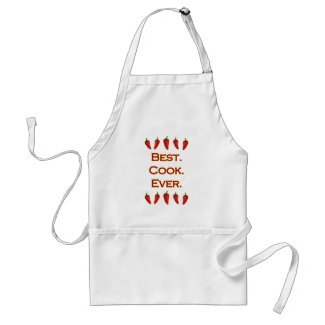
Some items combine icons with popular slogans or other text. A possible gift idea for home cooks is this "Best. Cook. Ever." apron.


Products are often designed for a specific season of the year. This "Thankful" shirt includes pumpkins artwork. Pumpkins are often used to symbolize the Autumn season, Thanksgiving, crop harvests, and other end of year activities.


Steamers are another culinary accessory that might be suitable as a gift. Steamers for cooking seafood and vegetables are available in a wide range of sizes and styles. For more information, see this article on types of steamers.

Fish and seafood lovers might enjoy fish identification posters. Many fish identification posters serve as wall art in addition to their practical purposes.

Sunday, April 3, 2011

Gulf of Maine Responsibly Harvested Seafood

The Gulf of Maine Research Institute (GMRI) recently announced its new Gulf of Maine Responsibly Harvested program. The Responsibly Harvested logo was created to help consumers recognize seafood from the Gulf of Maine region that meet criteria for responsible harvesting.

According to GMRI, the logo will initially be seen on cod, haddock, lobster, and northern shrimp products from the Gulf of Maine region at Hannaford and other retail stores.

Additional fisheries are under assessment and more seafood products are expected to be included in the program in the coming year.

source: GMRI

Friday, January 21, 2011

Emory University School of Medicine Study Links Fried Fish Consumption to Strokes

Research from Emory University’s School of Medicine seems to suggest that fried fish may contribute to strokes in Americans living in the Southeastern part of the United States.

A study published in the Dec. 22 online issue of the journal Neurology found that people living in the "stroke belt" eat more fried fish than people living in the rest of the country.

The stroke belt includes Alabama, Arkansas, Georgia, Louisiana, Mississippi, North Carolina, South Carolina and Tennessee. Previous studies have shown people living in this region are more likely to die from a stroke than people living in other parts of the United States. Blacks are more affected than whites.

The study’s author, an Emory neurologist, says the type of fish is just as important as the preference to eating the fish when cooked fried.

“While all fish contain healthy omega-3 acids, the amount of these essential nutrients varies depending on the type of fish and the cooking methods,” says Fadi Nahab, MD, an assistant professor of neurology in Emory University School of Medicine and medical director of the stroke program at Emory University Hospital.

Previous studies have shown that the omega-3 fatty acids in fish, especially fatty fish such as salmon, herring and mackerel, may reduce the risk of stroke, and the American Heart Association recommends that people eat fish at least two times per week with an emphasis on fatty fish.

The new study from Emory University seems to imply that while eating fish is healthy, it may be better to limit frying and instead use healthier cooking methods such as baking, broiling, grilling or poaching. 


source: Emory University press release

Thursday, December 9, 2010

Are Farm Raised Shellfish Healthy?

In North America, aquaculturists grow high quality farmed oysters, clams, mussels and bay scallops. Farm raised shellfish are known for being uniform, clean, healthy and full of nutrients.

Farmed shellfish are also good for the environment. A single adult oyster can filter up to 60 gallons of water a day. Shellfish aquaculture is a booming industry in the USA and Canada. Most operations have a reputation for being sustainable, while providing safe, high quality shellfish.

In addition to commercial shellfish farms, small scale shellfish gardening on privately owned waterfront property is gaining popularity. These micro-systems, tended by environmentally concerned citizens, support oysters, blue mussels, clams and other shellfish.