Showing posts with label food. Show all posts

Sunday, May 26, 2024

What To Buy at Farmers Markets

lettuce
Farmers markets in the USA can be an excellent source of fresh, local produce and artisanal goods.

While each market has its own unique offerings, some items are commonly found across the country.

Fresh fruits and vegetables top the list, with seasonal offerings like apples, tomatoes, and leafy greens being staples.

Organic produce is also a significant draw, reflecting a growing consumer interest in sustainable farming practices.

Artisanal bread and pastries, often baked with locally sourced ingredients, are popular for their homemade quality and flavor.

Local honey and beeswax products showcase the importance of bees in agriculture and offer natural alternatives to processed sweeteners and candles.

Homemade soaps and cosmetics, free from harsh chemicals, are often chosen by eco-conscious consumers. 

Handcrafted cheeses, reflecting regional dairy farming traditions, provide a taste of the local terroir. Jams, jellies, and preserves made from local fruits are a sweet representation of the season's bounty.

Plant seedlings, including herbs and vegetable starts, allow market-goers to bring a piece of the market home to their gardens.

Prepared foods, which often use ingredients sourced from the market itself, offer convenience and a culinary exploration of local flavors.

These items not only represent the agricultural diversity of the United States but also the community spirit and the commitment to supporting local economies inherent in farmers markets.

Related Information

Where To Buy Locally Sourced Foods

Friday, February 16, 2024

Vintage Food Posters - World War I

A major part of the World War I effort involved the production and distribution of motivational posters by a variety of U.S. Federal agencies.

This post showcases a sampling of food-related vintage posters from the WWI era. The posters shown here are only a fraction of the many that were produced.


"Sow the Seeds of Victory! Plant and raise your own vegetables. Write to the National War Garden Commission- Washington, D.C., for free books on gardening, canning, and drying. "Every Garden a Munition Plant"


"Liberty Sowing the Seeds of Victory. Write for Free Books to National War Garden Commission, Washington, D.C. Charles Lathrop Pack, President. P.S. Ridsdale, Secretary."


"Food is Ammunition- Don't Waste It"


"Save Sugar by Using Best Louisiana Molasses and Sugar Cane Syrup."


"Eat more corn, oats, and rye products- fish and poultry- fruits, vegetables, and potatoes, Baked, Broiled, and Boiled Foods. Eat less wheat, wheat sugar and fats to save for the army and our allies."


"Patriots Use Corn Meal. It Cannot Be Shipped. It is Splendid Eating. It is Cheaper Than Wheat Flour. It Saves Wheat. Free Recipes Inside. Get Yours. U.S. Food Administration- New York Federal Food Board."

In addition to being works of art, these vintage posters provide insights into culinary trends of the period. They also illustrate how the U.S. government used media to communicate with citizens during World War I. 


Sunday, December 24, 2023

Basic Gardening - Planning and Preparation

This post covers some of the basic steps to be considered when implementing a home garden for growing vegetables, fruits, herbs, and other plants.

Prior to the design and construction of garden plots, a number of factors may need to be considered.

When choosing a location, it may be important to consider factors such as sun, drainage, etc. Availability of water and vehicle access may influence location choices.

In some areas, HOA rules or local regulations may also apply to gardens and other landscaping projects.

In some situations, soil tests may be useful prior to beginning a garden plot. A variety of soil tests are available for pH, trace elements, and detection of heavy metals or other pollutants. Soil tests are available from state agencies or commercial service providers.

Once a site is selected, the design process can begin. A number of traditional garden layouts exist that are adaptable to most projects.

After choosing the size and shape of the production area, gardeners can allocate plots to specific crops.

In addition to production plots, space should be allocated for equipment storage, composting, and other needs.

A common practice among beginner gardeners is to till a large plot and overplant. Large garden projects can require considerable labor. As the season progresses, gardeners can suffer burnout caused by unpredictable weather, weeds, pest control, disease, over production, and other issues.

Once the garden layout is resolved, tilling or turning of the soil is usually called for. Tilling is generally done in the spring but only after the soil becomes dry enough to break apart easily. Tilling too early can cause problems, especially in soils with a high clay content.

In many cases, garden soils will need some amount of remediation. Popular additions include liming, traditional pelleted fertilizer, compost, manure, peat moss, sand, or other products.

If raised or ground level beds will be used, those will need to be laid out and pathways created.

Acquiring seeds, seedlings, bulbs, plants, and other will also need to be done. When planting begins, gardeners need to monitor plots for a variety of needs.

Seeds and young plants need frequent care including watering, weeding, and monitoring for insect infestations, diseases, or other problems.

In some areas, animal damage is possible. The list of troublemakers can include dogs, cats, deer, rabbits, rodents, birds, and others.   

Related Information

How To Preserve Excess Produce


Sunday, July 17, 2022

How To Preserve Excess Produce


With an over-abundance of fresh fruits and vegetables, home gardeners are often confronted with a common question: "How to preserve excess produce?"

An array of preservation methods exist, each having advantages and disadvantages.

Canning

Most home gardeners are familiar with canning. This method is popular for jams, jellies, preserves, sauces, pickles, and some vegetables. Canning is inexpensive to implement but requires considerable skill. Improperly canned foods can be hazardous.

Pickling

Pickling is a good short-term solution for many items. Popular foods include saurkraut (cabbage) Kim Chi (spiced mixed vegetables), and others.

Freezing

Freezing is the easiest and most common way of storing fresh fruits and vegetables. Most foods freeze well initially but have a limited freezer life. Frozen foods consume energy while stored.

Drying

Drying is another popular technique for storing food. Drying can be accomplished by simple sun drying, dehydrating, low temp baking, freeze drying, or other methods. Dried fruits and vegetables are sometimes stored in refrigerators or freezers. 

Smoking

One of the world's oldest methods for preserving food, smoking can be an option with some foods. Smoking is most commonly done with meats but works well with other low moisture foods.

Related Information

How to Pickle Beets

Things To Do with Excess Fruits and Vegetables


Saturday, June 18, 2022

Edible Institute 2022

fresh lettuce

Edible Institute 2022 will be held October 1-2 at the Brown Palace Hotel in Denver, Colorado.

Thought-leaders, journalists, food industry experts, and innovators in the sustainable food movement will join the public to share information.

Edible Communities, in collaboration with Food Tank, celebrates 20 years of telling the story of local food as stakeholders gather to explore the ideas, challenges, and changes that will shape food communities in the next decade and beyond. 

The keynote speaker for Edible Institute 2020 will be Dr. Temple Grandin, a scientist whose ground-breaking work in animal behavior has helped shape standards of excellence for the humane treatment of animals around the world.


Edible Institute 2022 Discussion topics include:

Grassfed Foods—Why It Matters

Blue Foods—Changing Menus, Saving the Planet

Sizes Matter—How to Scale and Still Change the Food System

Transparency and Traceability

Food Packaging

Food Labeling


All attendees are encouraged to try a Taste of Denver produced by Edible Denver, featuring sample bites and drinks from local food and drink artisans and producers.

For more information and tickets for Edible Institute 2022, visit www.ediblecommunities.com.

Monday, October 11, 2021

2021 Fall Mast Season


wild pecans
Pecans


The 2021 mast crop is likely to be one of the heaviest in years. Foragers are finding trees laden with nuts and other wild foods.

Pecans are easy to harvest, store well, and have a variety of uses. Pecans can be picked from low hanging branches or harvested from the ground. Harvesters often find the best yields of pecans after sudden spells of cold, windy weather.

After drying, pecans are easily separated from their outer hulls. Large pecans are prized as food. Culls include nuts that are small or have broken shells. Although unsuitable for the table, the culled nuts can be used as animal food or for attracting wildlife. 

Black walnuts are another common nut that is found in North America. Black walnuts are easily recognized and often plentiful. After falling from the tree, their green hulls eventually soften and turn dark in color.

Black walnuts are usually harvested on the ground and stored until their hulls dry thoroughly. After drying, the hulls are removed to reveal a hard, dark shell. Although black walnuts can be a challenge to open, they yield edible meats with a unique full flavor.

In addition to their popularity as a food, their green tannic-rich outer hulls have a variety of uses. One ripen, the dark hulls can used to create stains for woodworking or dyes for arts and crafts.


Related Information

Things To Do with Excess Fruits and Vegetables

Thursday, March 4, 2021

KSU Aquaponics Production Manual

lettuce

The School of Aquaculture and Aquatics Sciences at Kentucky State University recently announced the availability of the Aquaponics Production Manual: A Practical Handbook for Growers.

This 75 page comprehensive manual covers the biological concepts of aquaponics, types of systems, suitable fish and plant species, systems management, water quality, disease of plants and fish, controlled environments (greenhouse and indoors), marketing and economics, as well information on certification and regulations.

The manual is written at a level to be practical resource for practicing (or potential) aquaponic producers.

Aquaponics Production Manual: A Practical Handbook for Growers is available at: http://bit.ly/kysuAquaponicsHandbook

Saturday, December 12, 2020

2021 Rhode Island Food System Summit


2021 Rhode Island Food System Summit
Online Virtual Event
1/1/2021 - 9 AM

On January 1st, 2021, the University of Rhode Island (URI) will host the fifth annual Rhode Island Food System Summit entitled "Taking the Lead: Improving Food Access in a Global Pandemic"—virtually.

An array of government, academic, business, and community partners will discuss how growing food security issues are impacting the state of Rhode Island state and the New England region.

Hosted by the University of Rhode Island, this year’s event will include a keynote address from Viraj Puri, founder and co-owner of Gotham Greens, who will discuss how his company is addressing food security and promoting economic opportunity.

The event will also feature the work of Sarah Amin, assistant professor of Nutrition and Food Sciences and the director of Community Nutrition Education at URI, and her graduate student, Fatima Tobar Santamaria. They will discuss key findings from a statewide effort to understand how the pandemic has impacted food access.

Panel discussions with state and regional leaders will further examine food security issues and how stateholders can address the needs of the community.

For more information and to register, visit: https://web.uri.edu/food-center/foodsummit21/foodsummit21-register/

source: University of Rhode Island

Saturday, July 29, 2017

Food and Cooking Gift Ideas

Gift items related to food and cooking are always popular. Gift ideas include local foods, baked goods, crafts, collectibles, cookware, clothing, printed materials, and other items

An endless array of products are available and new items are always showing up in stores and online. Other sources of food themed gifts might include farm stands, local farmers markets, wineries, ice cream shops, bakeries, specialty food stores, or other small businesses.

Kitchen decor items often feature food-related artwork. Among the most popular styles are designs that incorporate food icons. Items often depict fruits and vegetables, nuts, herbs, spices, fish, shellfish, meats, diary, and other food items.

This tomato themed soup mug makes a colorful kitchen accent.


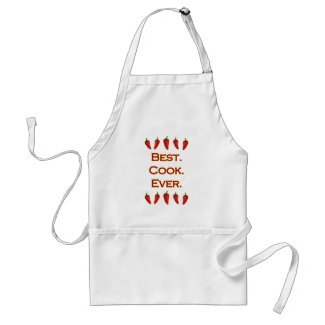
Some items combine icons with popular slogans or other text. A possible gift idea for home cooks is this "Best. Cook. Ever." apron.


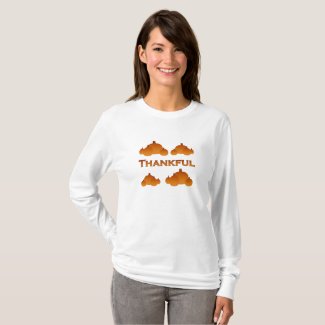
Products are often designed for a specific season of the year. This "Thankful" shirt includes pumpkins artwork. Pumpkins are often used to symbolize the Autumn season, Thanksgiving, crop harvests, and other end of year activities.


Steamers are another culinary accessory that might be suitable as a gift. Steamers for cooking seafood and vegetables are available in a wide range of sizes and styles. For more information, see this article on types of steamers.

Fish and seafood lovers might enjoy fish identification posters. Many fish identification posters serve as wall art in addition to their practical purposes.

Saturday, July 9, 2016

2016 PEI Fresh Food Directory

The 2016 Prince Edward Island Fresh Food Directory is now available.

The directory includes business names, addresses, phone numbers, websites, product lists, a map, and other information.

A ‘What’s in Season’ chart is included to provide consumers with product availability information.

More than 45,000 copies of the directory will be distributed across P.E.I. this summer at Visitor Information Centers, PEI Liquor stores, Access PEI sites, and at PEI Department of Agriculture and Fisheries offices.

The directory is also available online at www.peiflavours.ca or by phoning 1-866-PEIFARM.

source: Prince Edward Island Department of Agriculture and Fisheries

Wednesday, March 23, 2011

Food Prices Continue Climbing in the USA

According to the U.S. Bureau of Labor Statistics, Food indexes continued to rise in February 2011, with sharp increases in the indexes for fresh vegetables and meats contributing to a 0.8 percent increase in the food at home index, the largest since July 2008.

With fuel prices fluctuating wildly and the Japan Crisis looming, consumers may be in for more high food prices this spring. Now is the perfect time to plant a garden or scout out local farmers markets for the upcoming season.

Japan's Food Crisis

The world watches as each day brings new problems to Japan. Following a magnitude 9 quake and killer tsunami, the loss of life and property has been unthinkable.

Adding to the crisis, the Fukushima Dai-ichi power plant has had a series of radiation leaks. Across Japan, radiation has been detected in vegetables, raw milk, the water supply, and seawater.

Most recently, Broccoli was added to a list of tainted vegetables, and U.S. officials announced a block on Japanese dairy and other produce from the region.

Meanwhile in Tokyo, officials have warned mothers not to allow small children to drink from the city's water supply.

The issue of food safety is something every nation must address. Here in the USA, government regulations are wiping out small farmers, commercial fishermen and other small businesses.

Meanwhile the American food supply is rapidly moving towards dependence on imported, processed foods which are controlled by mega corporations.

Although the tragedy in Japan is a horrible event, perhaps it will inspire political leaders to re-think food policies.

One solution might be for the USA and other nations to nurture providers of locally sourced foods. While global suppliers are an important component of the world's food supply, local resources should be recognized for their importance.

Monday, December 13, 2010

Food Insecurity in the United States

According to USDA data, more than 50 million Americans are food insecure (lack consistent access to a well balanced diet). In 2009, this data translated to 1 in 4 children (more than 17 million children) as being food insecure.

To get involved with feeding the nation's hungry, visit your local food bank or help at the national level. One organization that is working hard to feed America is Seashare.

Wednesday, November 24, 2010

Harvesting Wild Foods in Autumn

wild persimmons
Wild Persimmons

Fall is one of the best times to harvest wild foods. Biting insects and other woodland pests are less of a problem and in many areas dense undergrowth is reduced after a frost.

Some of the most popular wild foods of the Eastern U.S. include several kinds of greens, tea berries, sassafras roots, ginseng, persimmons, walnuts, pecans, chestnuts and other delicacies.

Wednesday, November 10, 2010

How to Cook Turnip Greens


Turnip greens are leafy green vegetables that are often served during traditional holiday meals in North America. These healthy greens are harvested from turnip plants. Not only are the leaves edible, but so are the roots.

In most areas, turnip green leaves are only harvested during the late Fall, Winter and in Spring when their flavor is not too strong.

Turnip green recipe ingredients may include salt pork, bacon, pepper, herbs, cooking oils, wines, baking powder, or other foods.

Cooking methods generally include boiling the leaves for long periods. Turnip greens can also be simmered with a small amount of liquid, steamed, or added to soups.