Sunday, May 26, 2024

What To Buy at Farmers Markets

lettuce
Farmers markets in the USA can be an excellent source of fresh, local produce and artisanal goods.

While each market has its own unique offerings, some items are commonly found across the country.

Fresh fruits and vegetables top the list, with seasonal offerings like apples, tomatoes, and leafy greens being staples.

Organic produce is also a significant draw, reflecting a growing consumer interest in sustainable farming practices.

Artisanal bread and pastries, often baked with locally sourced ingredients, are popular for their homemade quality and flavor.

Local honey and beeswax products showcase the importance of bees in agriculture and offer natural alternatives to processed sweeteners and candles.

Homemade soaps and cosmetics, free from harsh chemicals, are often chosen by eco-conscious consumers. 

Handcrafted cheeses, reflecting regional dairy farming traditions, provide a taste of the local terroir. Jams, jellies, and preserves made from local fruits are a sweet representation of the season's bounty.

Plant seedlings, including herbs and vegetable starts, allow market-goers to bring a piece of the market home to their gardens.

Prepared foods, which often use ingredients sourced from the market itself, offer convenience and a culinary exploration of local flavors.

These items not only represent the agricultural diversity of the United States but also the community spirit and the commitment to supporting local economies inherent in farmers markets.

Related Information

Where To Buy Locally Sourced Foods

Monday, March 18, 2024

Native Plants for Home Landscaping

Butterfly Weed
Residential landscaping can greatly improve a property or create a host of problems.

For homeowners, choosing plants for landscaping can be a daunting task.

In many cases, native plants can be good choices for home landscaping projects. Native plants often include trees, shrubs, herbs, wildflowers, grasses, and others.

Native plants have a number of advantages that make them good candidates for home landscaping projects.

Native plants usually require less maintenance than cultured plants. Most need little or no fertilizers, pesticides, or other chemical treatments.

Native plants provide habitat for insects, birds, and other wildlife. They are especially useful for pollinator gardens.

Some species produce berries and in fall their leaves display an array of colors.

Native plant species can be effective when implementing rain gardens. A variety of species can be planted together to stabilize areas where periodic water flows occur. 

When choosing native plants, several factors must be considered.

Sunlight is one of the most important factors to consider when choosing plants for a landscaping project.

Water is another consideration. In many areas, drought-resistance will be a major factor when choosing plants for landscaping.

Project costs are usually very important. Labor requirements can affect landscaping projects from start to finish.

Native plants can be found at local nurseries, farmers markets, and other sources. They are often available from local and regional non-government agencies such as environmental and conservation groups.

Related Information

Wild Blueberries

Friday, February 16, 2024

Vintage Food Posters - World War I

A major part of the World War I effort involved the production and distribution of motivational posters by a variety of U.S. Federal agencies.

This post showcases a sampling of food-related vintage posters from the WWI era. The posters shown here are only a fraction of the many that were produced.


"Sow the Seeds of Victory! Plant and raise your own vegetables. Write to the National War Garden Commission- Washington, D.C., for free books on gardening, canning, and drying. "Every Garden a Munition Plant"


"Liberty Sowing the Seeds of Victory. Write for Free Books to National War Garden Commission, Washington, D.C. Charles Lathrop Pack, President. P.S. Ridsdale, Secretary."


"Food is Ammunition- Don't Waste It"


"Save Sugar by Using Best Louisiana Molasses and Sugar Cane Syrup."


"Eat more corn, oats, and rye products- fish and poultry- fruits, vegetables, and potatoes, Baked, Broiled, and Boiled Foods. Eat less wheat, wheat sugar and fats to save for the army and our allies."


"Patriots Use Corn Meal. It Cannot Be Shipped. It is Splendid Eating. It is Cheaper Than Wheat Flour. It Saves Wheat. Free Recipes Inside. Get Yours. U.S. Food Administration- New York Federal Food Board."

In addition to being works of art, these vintage posters provide insights into culinary trends of the period. They also illustrate how the U.S. government used media to communicate with citizens during World War I. 


Sunday, December 24, 2023

Basic Gardening - Planning and Preparation

This post covers some of the basic steps to be considered when implementing a home garden for growing vegetables, fruits, herbs, and other plants.

Prior to the design and construction of garden plots, a number of factors may need to be considered.

When choosing a location, it may be important to consider factors such as sun, drainage, etc. Availability of water and vehicle access may influence location choices.

In some areas, HOA rules or local regulations may also apply to gardens and other landscaping projects.

In some situations, soil tests may be useful prior to beginning a garden plot. A variety of soil tests are available for pH, trace elements, and detection of heavy metals or other pollutants. Soil tests are available from state agencies or commercial service providers.

Once a site is selected, the design process can begin. A number of traditional garden layouts exist that are adaptable to most projects.

After choosing the size and shape of the production area, gardeners can allocate plots to specific crops.

In addition to production plots, space should be allocated for equipment storage, composting, and other needs.

A common practice among beginner gardeners is to till a large plot and overplant. Large garden projects can require considerable labor. As the season progresses, gardeners can suffer burnout caused by unpredictable weather, weeds, pest control, disease, over production, and other issues.

Once the garden layout is resolved, tilling or turning of the soil is usually called for. Tilling is generally done in the spring but only after the soil becomes dry enough to break apart easily. Tilling too early can cause problems, especially in soils with a high clay content.

In many cases, garden soils will need some amount of remediation. Popular additions include liming, traditional pelleted fertilizer, compost, manure, peat moss, sand, or other products.

If raised or ground level beds will be used, those will need to be laid out and pathways created.

Acquiring seeds, seedlings, bulbs, plants, and other will also need to be done. When planting begins, gardeners need to monitor plots for a variety of needs.

Seeds and young plants need frequent care including watering, weeding, and monitoring for insect infestations, diseases, or other problems.

In some areas, animal damage is possible. The list of troublemakers can include dogs, cats, deer, rabbits, rodents, birds, and others.   

Related Information

How To Preserve Excess Produce


Sunday, July 17, 2022

How To Preserve Excess Produce


With an over-abundance of fresh fruits and vegetables, home gardeners are often confronted with a common question: "How to preserve excess produce?"

An array of preservation methods exist, each having advantages and disadvantages.

Canning

Most home gardeners are familiar with canning. This method is popular for jams, jellies, preserves, sauces, pickles, and some vegetables. Canning is inexpensive to implement but requires considerable skill. Improperly canned foods can be hazardous.

Pickling

Pickling is a good short-term solution for many items. Popular foods include saurkraut (cabbage) Kim Chi (spiced mixed vegetables), and others.

Freezing

Freezing is the easiest and most common way of storing fresh fruits and vegetables. Most foods freeze well initially but have a limited freezer life. Frozen foods consume energy while stored.

Drying

Drying is another popular technique for storing food. Drying can be accomplished by simple sun drying, dehydrating, low temp baking, freeze drying, or other methods. Dried fruits and vegetables are sometimes stored in refrigerators or freezers. 

Smoking

One of the world's oldest methods for preserving food, smoking can be an option with some foods. Smoking is most commonly done with meats but works well with other low moisture foods.

Related Information

How to Pickle Beets

Things To Do with Excess Fruits and Vegetables


Saturday, June 18, 2022

Edible Institute 2022

fresh lettuce

Edible Institute 2022 will be held October 1-2 at the Brown Palace Hotel in Denver, Colorado.

Thought-leaders, journalists, food industry experts, and innovators in the sustainable food movement will join the public to share information.

Edible Communities, in collaboration with Food Tank, celebrates 20 years of telling the story of local food as stakeholders gather to explore the ideas, challenges, and changes that will shape food communities in the next decade and beyond. 

The keynote speaker for Edible Institute 2020 will be Dr. Temple Grandin, a scientist whose ground-breaking work in animal behavior has helped shape standards of excellence for the humane treatment of animals around the world.


Edible Institute 2022 Discussion topics include:

Grassfed Foods—Why It Matters

Blue Foods—Changing Menus, Saving the Planet

Sizes Matter—How to Scale and Still Change the Food System

Transparency and Traceability

Food Packaging

Food Labeling


All attendees are encouraged to try a Taste of Denver produced by Edible Denver, featuring sample bites and drinks from local food and drink artisans and producers.

For more information and tickets for Edible Institute 2022, visit www.ediblecommunities.com.

Wednesday, June 8, 2022

2022 Summer Food Trends

cooked american lobster
Cooked Lobster
Each year, a number of factors affect food trends. For the summer of 2022, consumer trends are influenced by the COVID-19 pandemic, economic uncertainty, the war in Ukraine, and other events. 

Search engine data can provide valuable clues about food-related consumer trends.

According to Google's The Thought-Starter: June 6, 2022, search queries using the modifier “cheap” were rising in May as people appear to be looking for help managing their budgets.

Examples of 2022 food-related searches include:

"cheap food near me"

"best cheap food near me"

"healthy cheap food near me"

"cheap food near me open now"

Source: Think with Google - The Thought-Starter: June 6, 2022

Consumers that are looking for inexpensive meals or other foods face an array of challenges. Although purchase price can be a major factor, other expenses can affect the final cost of foods.

Travel costs, tips, packaging, cleaning, waste disposal, and other expenses can drive up meal costs considerably.

Cheap Food Options

fresh beets
Fresh Beets
Backyard gardens can provide valuable food at moderate cost. Favorite small garden crops can include salad greens, onions, beets, carrots, radishes, tomatoes, peppers, corn, beans, melons, cilantro, chives, oregano, dill, mint, and others.

For those that are unable to garden, getting to know local gardeners can be useful. Even small garden owners often have excess vegetables and are willing to share.

Anglers can be another source of free food. Anglers and other recreational food harvesters often have access to fresh fish and other seafood. 

Local farmers markets can be a good option for meal ingredients and well as ready-to-eat meals.

In a few areas, foraging can provide free ingredients to supplement meals prepared at home. Foods such as fruits, nuts, and wild greens can be gathered and eaten fresh or preserved for later use.

Food trucks can also be a source of cheap food. Many vendors offer specials via social media or other means.

Even traditional restaurants can offer a variety of cheap meal options. Some restaurants offer off-peak specials or other inexpensive options.

Eating take-out meals can be expensive but it does have its place in food culture. One advantage of take-out food is that it can be combined with home cooked foods and drinks. 

Related Information

Where to Buy Locally Sourced Foods

Things To Do With Excess Fruits and Vegetables

Food Insecurity in the United States


Monday, October 11, 2021

2021 Fall Mast Season


wild pecans
Pecans


The 2021 mast crop is likely to be one of the heaviest in years. Foragers are finding trees laden with nuts and other wild foods.

Pecans are easy to harvest, store well, and have a variety of uses. Pecans can be picked from low hanging branches or harvested from the ground. Harvesters often find the best yields of pecans after sudden spells of cold, windy weather.

After drying, pecans are easily separated from their outer hulls. Large pecans are prized as food. Culls include nuts that are small or have broken shells. Although unsuitable for the table, the culled nuts can be used as animal food or for attracting wildlife. 

Black walnuts are another common nut that is found in North America. Black walnuts are easily recognized and often plentiful. After falling from the tree, their green hulls eventually soften and turn dark in color.

Black walnuts are usually harvested on the ground and stored until their hulls dry thoroughly. After drying, the hulls are removed to reveal a hard, dark shell. Although black walnuts can be a challenge to open, they yield edible meats with a unique full flavor.

In addition to their popularity as a food, their green tannic-rich outer hulls have a variety of uses. One ripen, the dark hulls can used to create stains for woodworking or dyes for arts and crafts.


Related Information

Things To Do with Excess Fruits and Vegetables

Thursday, March 4, 2021

KSU Aquaponics Production Manual

lettuce

The School of Aquaculture and Aquatics Sciences at Kentucky State University recently announced the availability of the Aquaponics Production Manual: A Practical Handbook for Growers.

This 75 page comprehensive manual covers the biological concepts of aquaponics, types of systems, suitable fish and plant species, systems management, water quality, disease of plants and fish, controlled environments (greenhouse and indoors), marketing and economics, as well information on certification and regulations.

The manual is written at a level to be practical resource for practicing (or potential) aquaponic producers.

Aquaponics Production Manual: A Practical Handbook for Growers is available at: http://bit.ly/kysuAquaponicsHandbook

Saturday, December 12, 2020

2021 Rhode Island Food System Summit


2021 Rhode Island Food System Summit
Online Virtual Event
1/1/2021 - 9 AM

On January 1st, 2021, the University of Rhode Island (URI) will host the fifth annual Rhode Island Food System Summit entitled "Taking the Lead: Improving Food Access in a Global Pandemic"—virtually.

An array of government, academic, business, and community partners will discuss how growing food security issues are impacting the state of Rhode Island state and the New England region.

Hosted by the University of Rhode Island, this year’s event will include a keynote address from Viraj Puri, founder and co-owner of Gotham Greens, who will discuss how his company is addressing food security and promoting economic opportunity.

The event will also feature the work of Sarah Amin, assistant professor of Nutrition and Food Sciences and the director of Community Nutrition Education at URI, and her graduate student, Fatima Tobar Santamaria. They will discuss key findings from a statewide effort to understand how the pandemic has impacted food access.

Panel discussions with state and regional leaders will further examine food security issues and how stateholders can address the needs of the community.

For more information and to register, visit: https://web.uri.edu/food-center/foodsummit21/foodsummit21-register/

source: University of Rhode Island

Thursday, October 17, 2019

Edible Communities Edible Institute 2020

Sustainable food enthusiasts are invited to join 350+ thought-leaders, journalists, and food industry experts in the sustainable food movement in Santa Fe, New Mexico.

The event will include community-based solutions to the most critical challenges to the future of food production, new paths towards better food, and an array of food to sample and enjoy.

Edible Institute follows the annual conference of Edible Editors and Publishers, many of whom also attend the Institute to deepen their knowledge of the modern food movement and its key players.

Edible Institute 2020 Schedule (tentative):

Saturday, January 25, 9 a.m. – 4 p.m.

Sunday, January 26, 9 a.m. – 12 p.m.

For updated information concerning Edible Institute 2020, interested parties are urged to sign up for the Edible Communities newsletter.


Edible Communities (www.ediblecommunities.com) celebrates local food, season by season, community by community.

With a network of more than 90 independently-owned, locally-focused magazines across the U.S. and Canada, Edible Communities is the largest media organization devoted to telling the stories and sustaining the efforts of the farmers, chefs, food artisans, fishers, vintners, and home cooks.

Friday, September 29, 2017

PEI Fresh Vegetables Hurricane Irma Relief

The Government of Prince Edward Island and the P.E.I. Potato Board are partnering with Island farmers to provide fresh produce to those affected by the devastating Hurricane Irma in Florida.

More than 40,000 pounds of fresh produce was set to leave Prince Edward Island on September 20th for Georgia where it will be distributed to victims of Hurricane Irma.

The shipment was to include a variety of vegetables, from five-pound to 50-pound bags of potatoes from growers and packers throughout Prince Edward Island, to carrots and rutabagas from P.E.I. Vegetable Growers Co-Op.

The shipment was destined for the hunger-relief organization Second Harvest of South Georgia. The second-largest food bank in the state, Second Harvest accepts donations and redistributes them among areas of South Florida, and is also a FEMA (Federal Emergency Management Agency) collection and redistribution site.

The Government of Prince Edward Island will cover the freight costs.

Partners include:

Government of Prince Edward Island
P.E.I. Potato Board
Vanco Farms
Cavendish Produce
Gerrit Visser & Sons
Rollo Bay Holdings
Sherwood Produce
P.E.I. Vegetable Growers Co-Op
Morley Annear Transport

source: Government of Prince Edward Island

Saturday, July 29, 2017

Food and Cooking Gift Ideas

Gift items related to food and cooking are always popular. Gift ideas include local foods, baked goods, crafts, collectibles, cookware, clothing, printed materials, and other items

An endless array of products are available and new items are always showing up in stores and online. Other sources of food themed gifts might include farm stands, local farmers markets, wineries, ice cream shops, bakeries, specialty food stores, or other small businesses.

Kitchen decor items often feature food-related artwork. Among the most popular styles are designs that incorporate food icons. Items often depict fruits and vegetables, nuts, herbs, spices, fish, shellfish, meats, diary, and other food items.

This tomato themed soup mug makes a colorful kitchen accent.


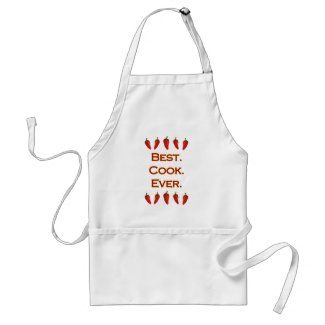
Some items combine icons with popular slogans or other text. A possible gift idea for home cooks is this "Best. Cook. Ever." apron.


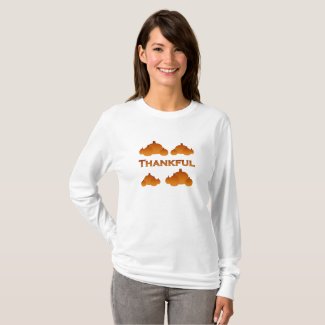
Products are often designed for a specific season of the year. This "Thankful" shirt includes pumpkins artwork. Pumpkins are often used to symbolize the Autumn season, Thanksgiving, crop harvests, and other end of year activities.


Steamers are another culinary accessory that might be suitable as a gift. Steamers for cooking seafood and vegetables are available in a wide range of sizes and styles. For more information, see this article on types of steamers.

Fish and seafood lovers might enjoy fish identification posters. Many fish identification posters serve as wall art in addition to their practical purposes.

Saturday, October 1, 2016

2016 Prince Edward Island Porktoberfest

Prince Edward Island chefs will compete during Porktoberfest 2016.

The October 1 to 31 campaign will include 20 Island restaurants serving pork burgers, bratwurst, pulled pork, sausages, pork tenderloin, ribs, bellies, schnitzel, chops, and pork loins.

Islanders who try each one-of-a-kind dish can vote online for their favourite, with every vote offering a chance to win prizes.

“Porktoberfest is a fantastic opportunity to showcase our high-quality food products and the Islanders who produce them, along with the great culinary experiences found in our Island restaurants,” said Agriculture and Fisheries Minister Alan McIsaac. “The provincial government is again pleased to partner on this initiative, which reminds the world why Prince Edward Island is Canada’s Food Island.”

During Porktoberfest 2016, select local markets will offer weekly promotions to encourage Islanders to serve PEI pork at home. Markets have selected one pork product as their featured weekly special with such cuts as picnic hams, sirloin chops, capicolla, and “shrinkless” bacon.

The PEI Porktoberfest website (www.peiporktoberfest.ca) features cooking tips, recipes, and nutritional information to encourage PEI residents enjoy cooking with local pork.

source: Province of Prince Edward Island

Monday, September 5, 2016

West Virginia Nature Wonder Weekend 2016

winter cress

The 49th annual Nature Wonder Weekend, North America's premier and longest-running wild foods event, will be held Sept. 16–18, 2016, at North Bend State Park in West Virginia.

Featured speakers include wild foods cooking author Leda Meredith and hearth cook and food historians Martha and Richard Hartley.

"This year's program will highlight foraging as well as wild food preparation and preservation, past and present," said Deputy Director Emily Fleming of the West Virginia Division of Natural Resources.

Nature Wonder Weekend begins Friday evening and concludes mid-morning on Sunday. The event includes speakers, presentations, nature walks, and collection and preparation of wild foods.

Activities include a park tour, wild food identification instruction, the Hazel Wood National Wild Food Cooking Contest and the Bill Faust Wild Cake Contest. The Wild Drink Contest winner is awarded the honorary Maxine Scarbro Friendship Cup.

The weekend offers overnight packages as well as day-only attendance options. For more information, visit www.northbendsp.com.     

source: West Virginia Division of Natural Resources

Saturday, July 9, 2016

2016 PEI Fresh Food Directory

The 2016 Prince Edward Island Fresh Food Directory is now available.

The directory includes business names, addresses, phone numbers, websites, product lists, a map, and other information.

A ‘What’s in Season’ chart is included to provide consumers with product availability information.

More than 45,000 copies of the directory will be distributed across P.E.I. this summer at Visitor Information Centers, PEI Liquor stores, Access PEI sites, and at PEI Department of Agriculture and Fisheries offices.

The directory is also available online at www.peiflavours.ca or by phoning 1-866-PEIFARM.

source: Prince Edward Island Department of Agriculture and Fisheries

Tuesday, February 4, 2014

What Are Rain Barrels?

Rain barrels have gained popularity in recent years. A rain barrel is a container that collects and stores the water from roofs and downspouts for future uses.

Stored rainwater can be used for watering lawns, gardens, house plants, cleaning off gardening tools, and other activities.

Rain barrels can help homeowners reduce their water bills, particularly in the summer months by collecting thousands of gallons of free water at little or no cost.

Rain barrels are also important for our environment because they help reduce water pollution by decreasing the amount of stormwater runoff reaching streams and rivers.

The average rainfall of one inch within a 24 hour period can produce more than 700 gallons of water that run off a typical house. While it’s running from homes and lawns, this stormwater picks up anything on the ground such as litter, excess fertilizer, pet waste, and motor oil and transports it to storm drains that do not treat the water before dumping it directly into waterways.

In Delaware USA, the state's Department of Natural Resources and Environmental Control (DNREC) and the Delaware Department of Transportation (DelDOT) are sponsoring a rain-barrel painting contest as a fun way to educate the public on the benefits of using the barrels. Artists from throughout the state will be selected and invited to paint creative designs on a rain barrel for public display.

source: Delaware Department of Natural Resources and Environmental Control (DNREC)

Saturday, September 14, 2013

Farmers and Hunters Feeding the Hungry

Farmers and Hunters Feeding the Hungry is a program that allows hunters to donate deer to help feed those in need. Donated deer are processed by cooperating butchers and processors and the venison is made available to local food banks. Last year over 600,000 venison meals were provided to food banks and feeding programs through the program.

For more information, visit www.fhfh.org

source: Maryland Department of Natural Resources

Wednesday, December 5, 2012

Winter Vegetable Gardens

greens
With mild winters becoming more frequent, winter gardening has gained popularity in much of the USA.

Winter gardeners experience a range of success, depending on temperatures, precipitation, techniques, and other factors.

Winter gardens provide a host of benefits. Late season crops can provide food as well as providing ground cover.

In addition to producing crops, winter gardening also provides landowners with a reason to get outside and be active.

In many areas, root crops such as turnips, carrots, parsnips, onions, and others can be started in the fall and allowed to remain in the ground for part or all of the winter.

Leafy vegetables are popular in winter gardens. Members of the kale family are the most popular, including turnip greens, kale, winter cress, cabbage, and others. Lettuce and spinach also thrive in winter in some locations.

Several herbs can be grown during mild winters, including cilantro, dill, and chives.

A wide range of equipment is available for winter gardening, including row covers, mini-greenhouses, and other accessories.

Wednesday, November 23, 2011

How to Prepare Pickled Beets


Beets are traditional vegetables that are found throughout much of North America. These brightly colored root crops are easy to grow in home gardens. Fresh beets are also available seasonally in local farmer's markets or organic food stores.

Known for their color, flavor, and nutritional value, they are a favorite dish at mealtime. After pickling, they can be served cold with no special preparation, making them an extremely versatile meal choice.

Beets are one of the few garden vegetables that are easy to store. They can be refrigerated or stored in a cool root cellar prior to use. Beets can be cooked fresh, blanched and frozen, or pickled and canned for long term storage.

The pickling process includes cooking, peeling and chopping fresh beets, and immersing them in a mixture of vinegar, sugar, and spices. Pickled beets can be served fresh or canned for later use.

Pickled beet recipes vary by local tradition, availability of ingredients, and personal preference. Simple beet pickling mixes consist of vinegar and sugar. To enhance the flavor of beets, cooks often include one or several spices or other flavorings.

To pickle beets, they must first be cooked. Start by washing fresh beets thoroughly and boiling them until they soften. Cooking times vary, depending on the size and condition of beets as well as the amount of crispness that is desired. Beets of similar sizes should be cooked together whenever possible, otherwise the firmness of cooked beets will be inconsistent.

After cooking, the beets should be peeled and rinsed. At this point, beets should be sliced, quartered, or left whole if small. The next step is to combine and simmer the pickling mixture. Most recipes call for about 1 cup vinegar and 1/2 cup sugar per pint of beets. Add the cooked beets to the pickle and continue simmering for 5-10 minutes. If the beets are to be served fresh or frozen for later use, at this point they need only be drained and chilled.

If pickled beets are to be canned, canning jars, lids and canning equipment may be required. Most home canning setups include specific instructions for canning vegetables. Home canning information is also available from a wide range of cookbooks, government agencies, and other sources.

Pickled beets are usually served chilled. Their brilliant deep purple color and tangy-sweet flavor goes well with poultry, lean pork, fish or other meats. Pickled beets are also delicious in summer salads or as a garnish.